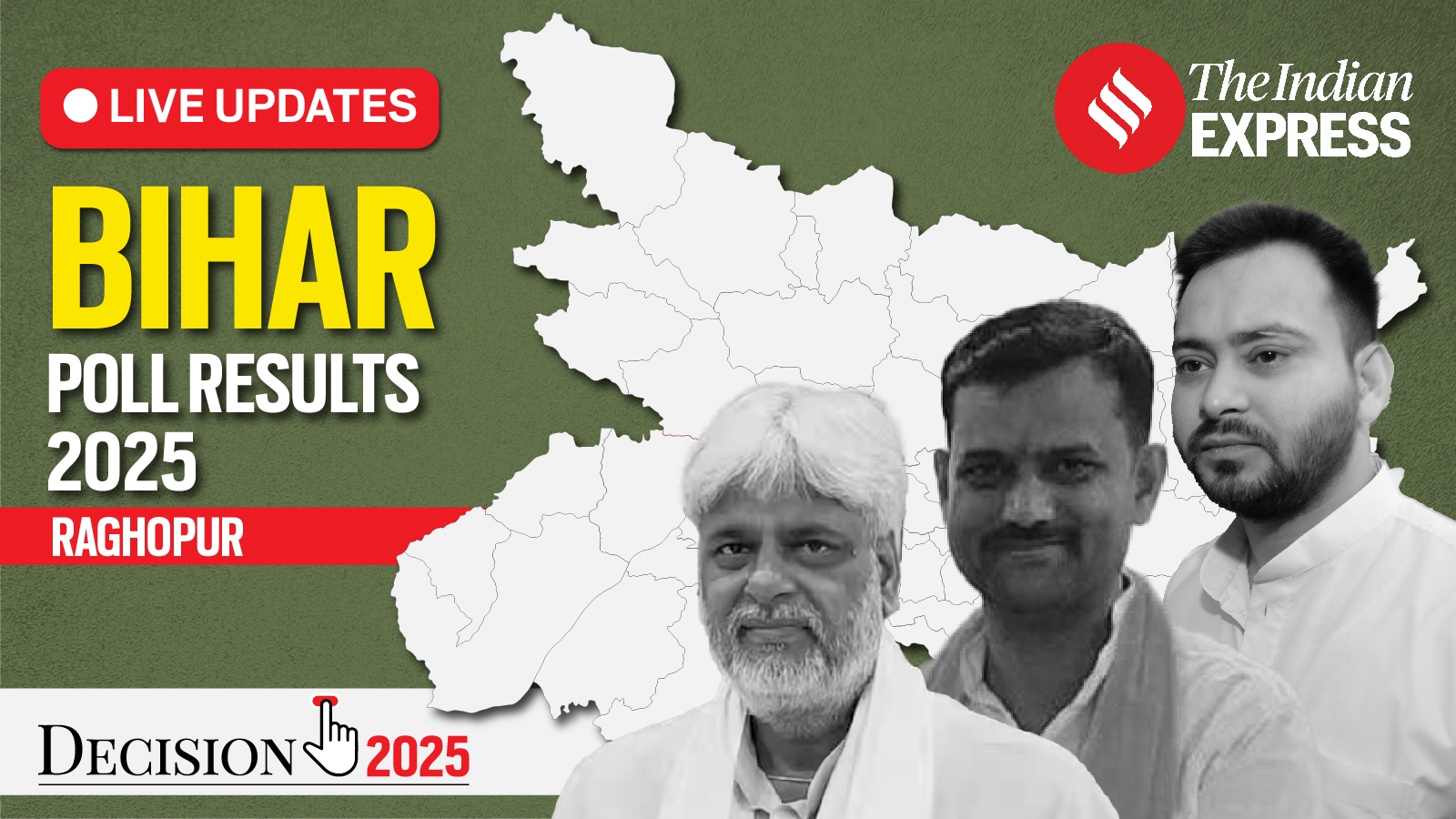
The Bihar assembly elections of 2025 represent a pivotal moment, not just as a regional political contest but as a reflection of the evolving socio-political landscape of the state. The upcoming elections embody a complex interplay of themes such as welfare versus aspiration, migration versus belonging, and survival versus mobility. Bihar's political history has often been framed within narratives of caste, crime, and corruption; however, its evolving democratic aspirations have been highlighted by significant movements throughout the years, including notable peasant movements and the opposition to the Emergency.
Two fundamental shifts make the 2025 election particularly significant. Firstly, there has been an unprecedented increase in women voters. Women have emerged as a dominant electoral bloc in Bihar, which is progressively transforming into what could be identified as a "maternal welfare state." Secondly, employment and migration are becoming central themes in political debates, indicating the birth of a "migrant democracy". This new political phenomenon recognizes the crucial role of women in sustaining local economies while many men migrate for employment, thereby shaping a new narrative around the state's governance structure.
At the heart of these transformative changes is Chief Minister Nitish Kumar. His governance model has utilized the social multiplier effects stemming from the post-Mandal era, redefining the operational capacity of the state. Additionally, a focus on feminized welfare infrastructure has facilitated the growth of collective entrepreneurship, exemplified by dairy cooperatives and local enterprises. Despite these advancements, challenges persist, particularly with youth migration, which continues to be a source of concern as it reflects broader socio-economic disparities.
Nitish Kumar, as the leader of the Janata Dal (United) [JD(U)] and a central figure in the National Democratic Alliance (NDA), faces heightened scrutiny regarding his leadership role. With an equal allocation of 101 seats shared between the BJ(P) and the JD(U) in the coalition for the assembly’s 243 constituencies, the political power dynamics within the NDA have shifted. Nitish's future as the NDA leader in Bihar hinges on the performance of the JD(U) and the coalition's overall electoral success.
The facts reveal a record voter turnout of 66.91%, with women voters registering the highest participation rate at 71.6%, substantially surpassing the male turnout. This shift highlights the changing political landscape, where women's voices are increasingly resonating.
In opposition, the Mahagathbandhan coalition seeks to end Nitish Kumar’s lengthy tenure as chief minister. Leaders such as Tejashwi Yadav, backed by Congress, are working tirelessly to challenge the historical electoral successes of the JD(U). The competition remains fierce, especially with seasoned candidates like Bijendra Prasad Yadav aiming for another term.
The counting of votes and release of election trends will begin at 8 AM on November 14, with results expected later in the day. This election not only stands as a testament to the growing engagement of the electorate but also serves as a potential turning point in Bihar’s political narrative since 1951, the year with the highest recorded voter turnout.