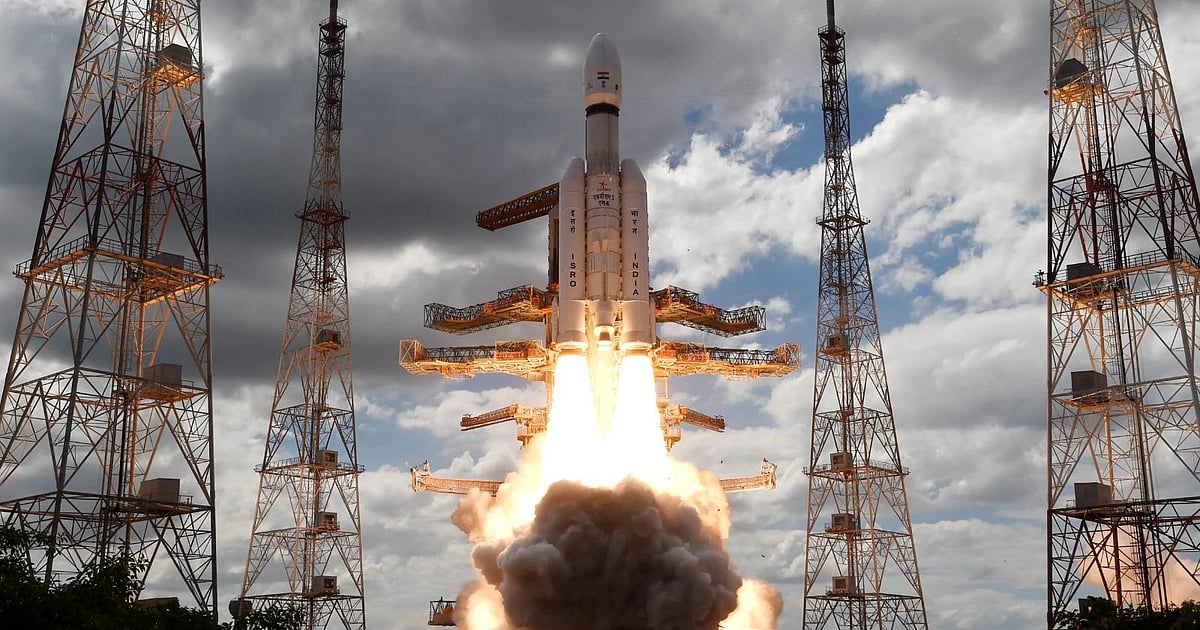
BENGALURU: Recent findings from the Chandrayaan-3 mission highlight significant advancements in our understanding of the Moon's gravity and surface. As the Propulsion Module of Chandrayaan-3 orbits within the Moon's Sphere of Influence, experts are optimistic about the implications for future space station initiatives. According to space scientists, comprehensive knowledge of the Moon's characteristics is critical for landing in polar regions and embarking on additional exploratory missions.
Currently, there exists limited information on the Moon's terrain, necessitating extensive data collection for future endeavors. An ISRO scientist emphasized the significance of these missions in gathering essential lunar data to facilitate bold exploration and mapping initiatives.
On November 13, ISRO reported the successful Trans-Earth Injection maneuvers conducted in October, wherein crucial gravitational interactions were observed. Notably, the first lunar flyby occurred on November 6, at 3,740 km from the lunar surface, succeeded by a second flyby on November 11 at a distance of 4,537 km.
Mylswamy Annadurai, a respected figure in the domain and former Director of ISRO Satellite Centre, noted that while the average distance from the Earth to the Moon is well-documented, the proximity changes dynamically as the Moon continuously orbits Earth. This ongoing mission is pivotal in accumulating data on lunar gravity, orbit, and terrain.
The collaborative nature of this mission is noteworthy as it integrates international efforts in preparation for future lunar exploration. ISRO's strategic planning for the Chandrayaan missions involved redefining information gathered from past Apollo missions, supplemented by data from Japan's Celine mission. This collaborative effort allows for shared knowledge with organizations such as NASA, potentially leading to alliances for future international lunar projects. The data collected could ultimately contribute to India's participation in establishing a shared lunar space station, enhancing cooperative space exploration.