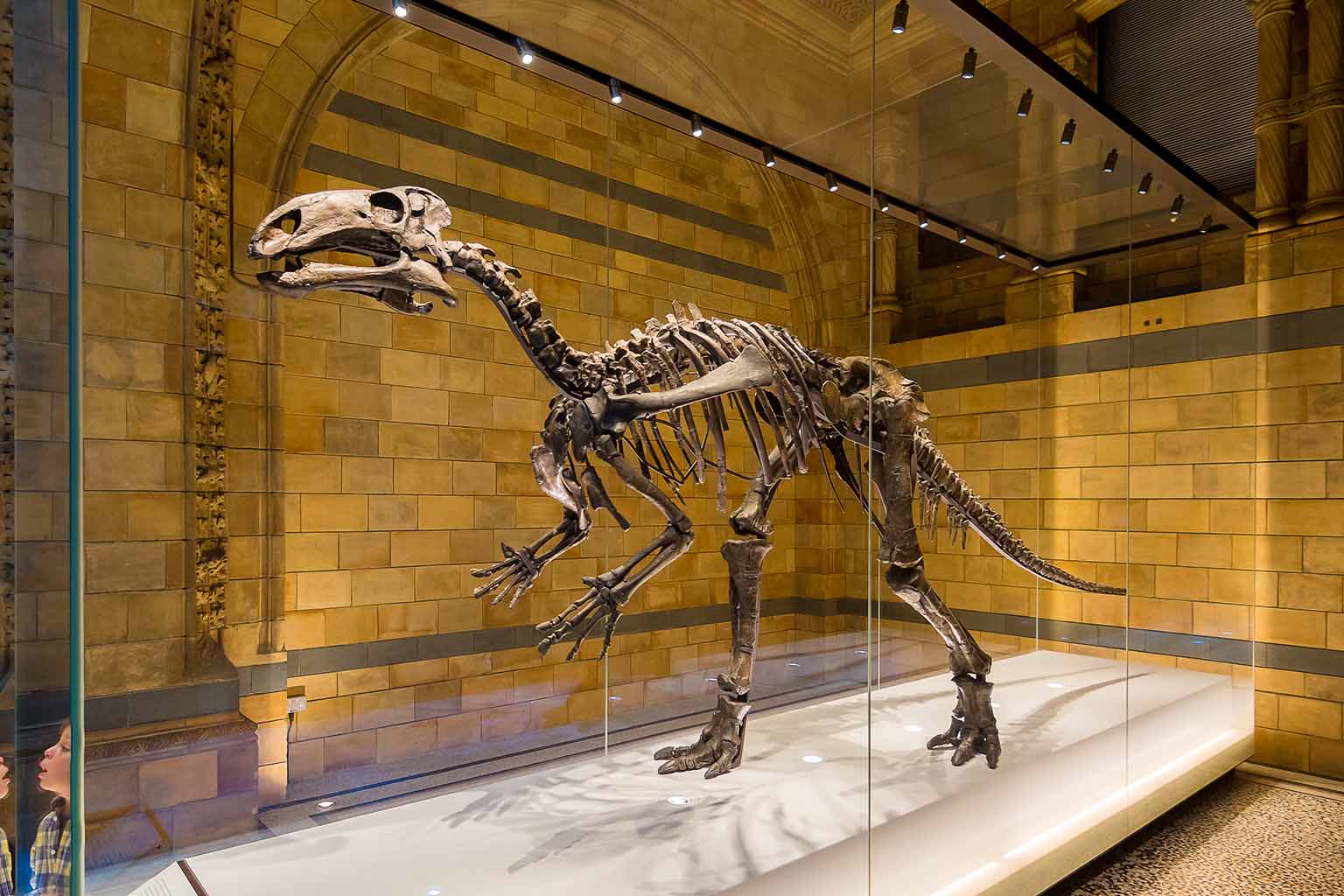
Recent findings on the Isle of Skye have revealed a significant dinosaur fossil from the Middle Jurassic period, estimated to be around 166 million years old. Researchers unearthed this remarkably complete skeleton, belonging to an ornithischian herbivorous dinosaur, in the Kilmaluag Formation, a geological wonder in Scotland. Though discovered in 1973, it was only excavated and thoroughly studied in 2018, emphasizing the dedication required in paleontological research. "Middle Jurassic dinosaurs signify a crucial point in evolution, yet their fossils are scarce globally," explains Dr. Elsa Panciroli, a leading paleobiologist from National Museums Scotland. This discovery provides an essential link to understanding dinosaur evolution during a time when they began to diversify significantly.
The Middle Jurassic period, spanning from 174 to 163 million years ago, was one of profound transformation for dinosaurs. In the early period, species predominantly included smaller carnivores and omnivores, while the Late Jurassic witnessed the rise of colossal species. The fossils from the Middle Jurassic are essential for bridging the gap between these two timeframes. The recent find in the Kilmaluag Formation, a single fossil footprint measuring about 24 by 16 inches, offers crucial insight into these shifting ecosystems.
The fossil likely belongs to the Ornithopoda subgroup of herbivorous dinosaurs and, if confirmed, would represent the youngest example of this group in Scotland. The significance of this find stretches beyond just dinosaur evolution; it also sheds light on ancient ecosystems, illuminating how these creatures interacted with their environments. As noted by researchers, studying these fossils helps to reconstruct the ecosystems that allowed for the adaptation and flourishing of dinosaurs.
Furthermore, this recent discovery underscores the slow and meticulous nature of paleontological work, illustrating how fossils can remain hidden for years before being revealed. Collaboration among various scientific disciplines, including geology and paleobiology, is critical to unlocking the stories that these ancient fossils tell. The enthusiasm and rigorous methodology behind this find reveal the importance of ongoing exploration in unique fossil sites.
In summary, the Isle of Skye fossil is not just a thrilling find for dinosaur enthusiasts; it is a vital piece of knowledge contributing to our comprehension of global dinosaur evolution during the Middle Jurassic era. Each discovery in these fossil-rich locations serves as a reminder of the resilience of life on Earth, offering a deeper appreciation of the planet's prehistoric narrative.