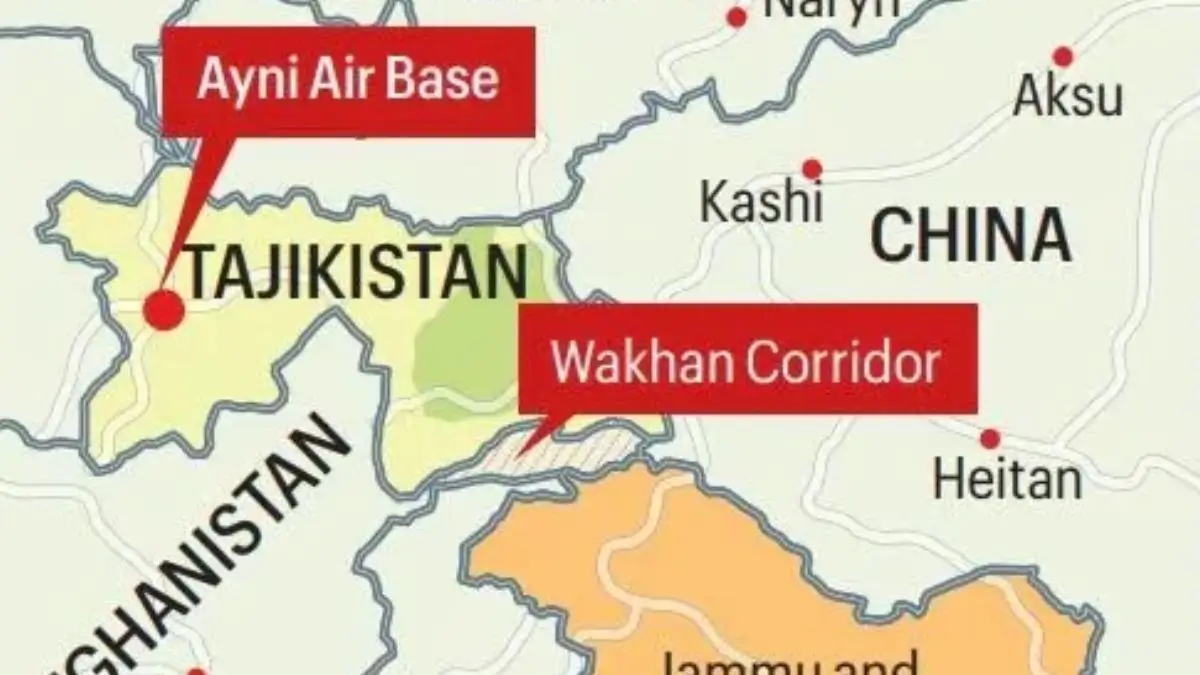
In a notable yet often overlooked alteration in defense strategy, India has ceased operations at the Ayni Airbase in Tajikistan, its only fully established overseas military facility. This decision, made in 2022, has only recently surfaced, indicating a significant shift in India's approach towards Central Asia. The closure signifies a decrease in India's military presence in a region crucial to its geopolitical interests.
The Ayni Airbase carries historical and strategic significance. Originally built during the Soviet era, the base fell into disrepair after the USSR's collapse. In 2002, India stepped in as a strategic partner, investing close to $80 million for its modernization. This effort included enhancements such as a 3,200-metre runway that could accommodate fighter jets, the construction of vital infrastructure like hangars and fuel storage, and improved air traffic control systems, particularly facilitated by India’s Border Roads Organisation (BRO).
The Ayni Airbase is positioned just 20 kilometers from Afghanistan's Wakhan Corridor, making it an advantageous location for monitoring areas crucial to India's national security, especially Pakistan-occupied Kashmir (PoK) and China's Xinjiang province. The base provided India with the capability to influence regional developments in Afghanistan, foster support for the Northern Alliance during previous conflicts, enable evacuation operations following the Taliban's return to power in 2021, and house military assets such as Sukhoi-30 MKI fighter jets along with approximately 200 personnel during its peak operational period. Therefore, Ayni represented not just a tactical military outpost but also a facet of India’s geopolitical presence in Central Asia.
The withdrawal from Ayni was not a matter of choice for India. A confluence of factors led to this significant decision. The bilateral agreement allowing India to develop and operate the base concluded in 2022, and the Tajik government opted not to renew the lease, allegedly under pressure from both Russia and China, which have substantial influence in the area. This exit unfolded discreetly, without official declarations, likely to minimize geopolitical ramifications. The closure is perceived as a strategic setback, following two decades of investment in Tajikistan, and symbolizes the increasing regional dominance of China and Russia, both wary of India's military presence in Central Asia.
In a comparative analysis of global military presence, India's overseas military footprint appears modest when juxtaposed with other major powers. China boasts a military base in Djibouti and is purportedly establishing another in Tajikistan near the Wakhan Corridor. Meanwhile, the United States maintains over 100 military installations globally, significantly enhancing its operational reach. This disparity underscores the limitations of India’s military footprint abroad, potentially impacting its strategic influence and rapid response capabilities in future geopolitical crises.