NASA has unveiled recent photographs of the interstellar comet 3I/ATLAS, which astronomers believe predates our solar system. Despite this exciting discovery, the agency faced criticism for the quality of the images shared. The announcement was made on the platform X, where NASA noted these images were captured by various spacecraft, satellites, and telescopes. However, many observers quickly pointed out that the visuals appeared fuzzy and unclear, leading to disappointment among users. Comments on X included remarks questioning the value of what was presented as a significant reveal, with critiques highlighting how the images resembled a blurry smudge taken from an estimated distance of 29 million kilometers. Expressing frustration, some users noted that advanced telescopes like the James Webb Space Telescope (JWST), the Very Large Telescope (VLT), and the Hubble Space Telescope deliver significantly clearer images, suggesting NASA had failed to meet expectations. There were also comparisons drawn between NASA's photos and images taken by amateur astronomers, with some claiming that hobbyists were achieving sharper results with basic equipment. Others lamented the expense associated with the image retrieval effort, stating that millions of dollars had been spent only to produce lackluster visuals. Nevertheless, NASA affirmed the importance of continued observation of 3I/ATLAS and stated that its numerous spacecraft offered a unique chance to understand how this comet differs from those found within our solar system. The agency emphasized that these observations could lead to valuable insights into the composition of other systems beyond our own, despite the initial public reaction to the image quality. As 3I/ATLAS continues its journey through the solar system, NASA expects to gather additional data that will help illuminate the differences and similarities between interstellar and solar comets.
NASA Releases Blurry Images of Interstellar Comet 3I/ATLAS
NDTV Profit •
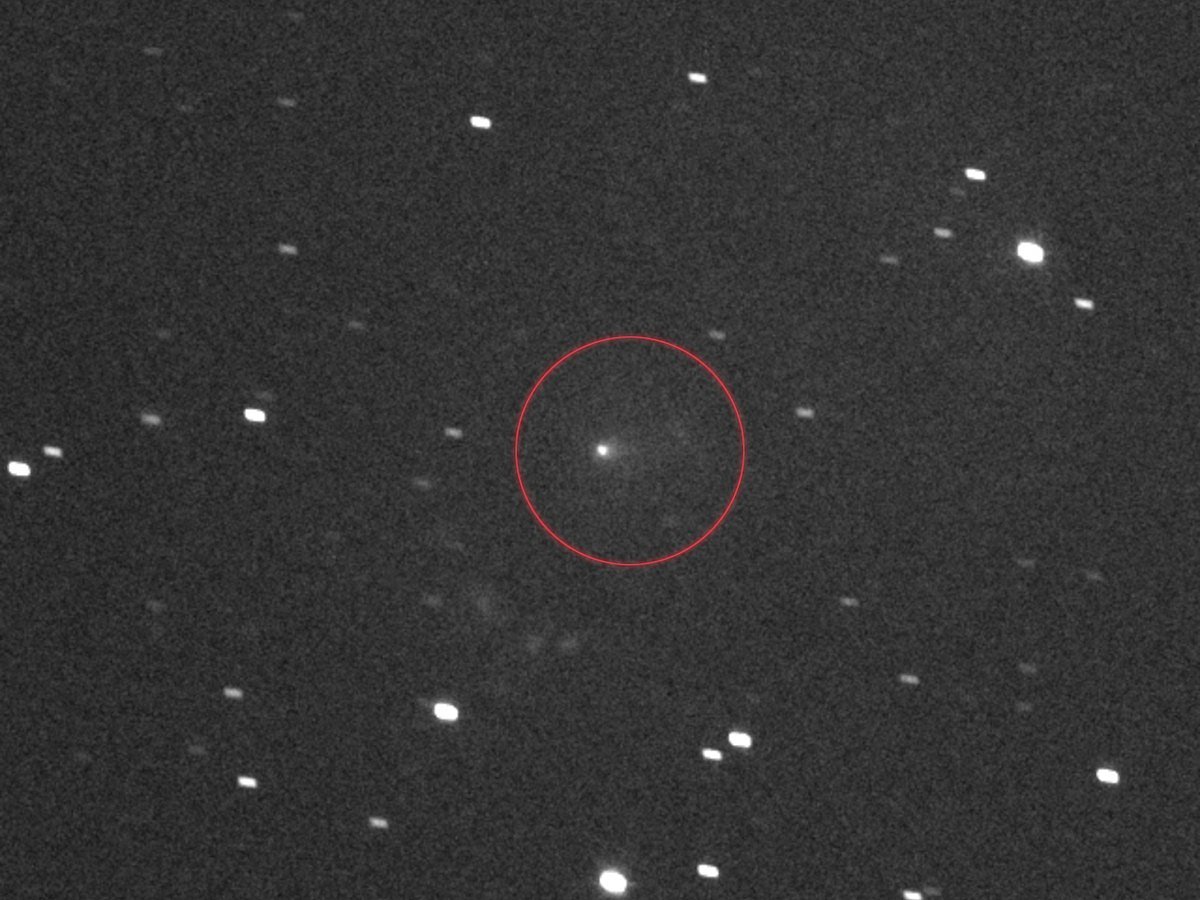
Image source: NDTV Profit website
NASA has recently shared images of the interstellar comet 3I/ATLAS, believed to be older than the solar system. While the release was met with excitement, many users criticized the images as low quality and blurry. Observers contrasted NASA's images with those taken by amateur astronomers, sparking disappointment over the investment made for what some considered underwhelming results. Despite the reactions, NASA highlighted the scientific potential these observations hold to understand the differences between interstellar comets and those within our solar system.