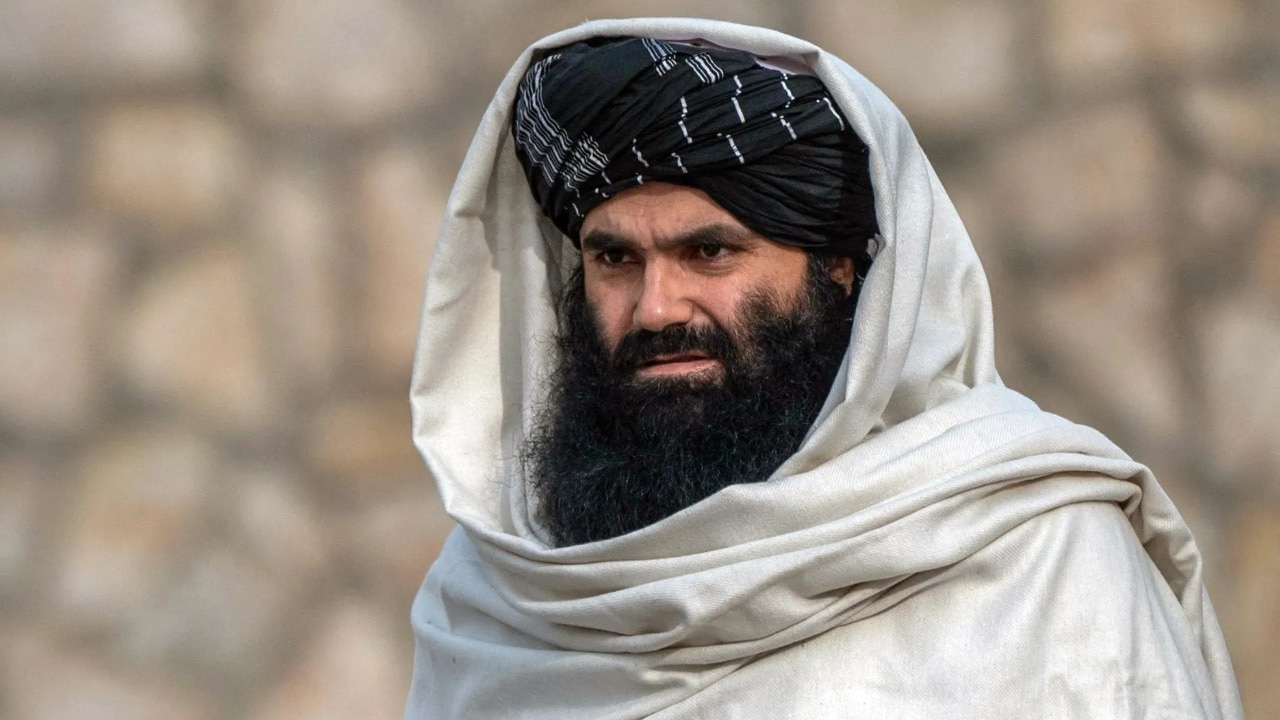
In the recent peace negotiations between Pakistan and Afghanistan, Islamabad requested that the Taliban Amir issue a fatwa against the Tehreek-e-Taliban Pakistan (TTP) and the conflict within Pakistani borders. This demand was declined by the Taliban, leading to a breakdown in discussions. The Deputy Minister of Interior for Afghanistan, Rahmatullah Najib, emphasized that the Taliban leader, Hibatullah Akhundzada, does not hold the authority to issue fatwas, as this responsibility lies with Darul Ifta, the Islamic Emirate’s official body for rulings on Islamic law.
A fatwa is a formal legal opinion from an Islamic scholar regarding Sharia law. During the negotiations, it was made clear that Pakistan needed to submit a formal request to Afghanistan's Darul Ifta for any fatwa it sought. The continued violence between the Taliban in Afghanistan and Pakistani forces has escalated tensions, particularly involving the TTP, which Islamabad claims takes orders from Kabul.
Previous talks in Qatar and Turkey followed a violent border conflict where Pakistan accused Afghanistan of harboring TTP fighters who initiated attacks against Pakistani security forces. Islamabad executed airstrikes in retaliation, leading to heavy exchanges and significant casualties on both sides. The diplomatic environment remains strained, with past negotiations having reached a halt due to unmet conditions, including Pakistan's insistence on a fatwa and Afghanistan's call for the cessation of US drone strikes in its territory.
Following significant military clashes that resulted in multiple casualties, international mediation efforts led to temporary ceasefires. However, mistrust continues to cloud relations, with unresolved issues between the two nations. The fragile peace that has been established is contingent upon fulfilling the set conditions from both sides, leaving future negotiations uncertain amidst ongoing regional tensions.