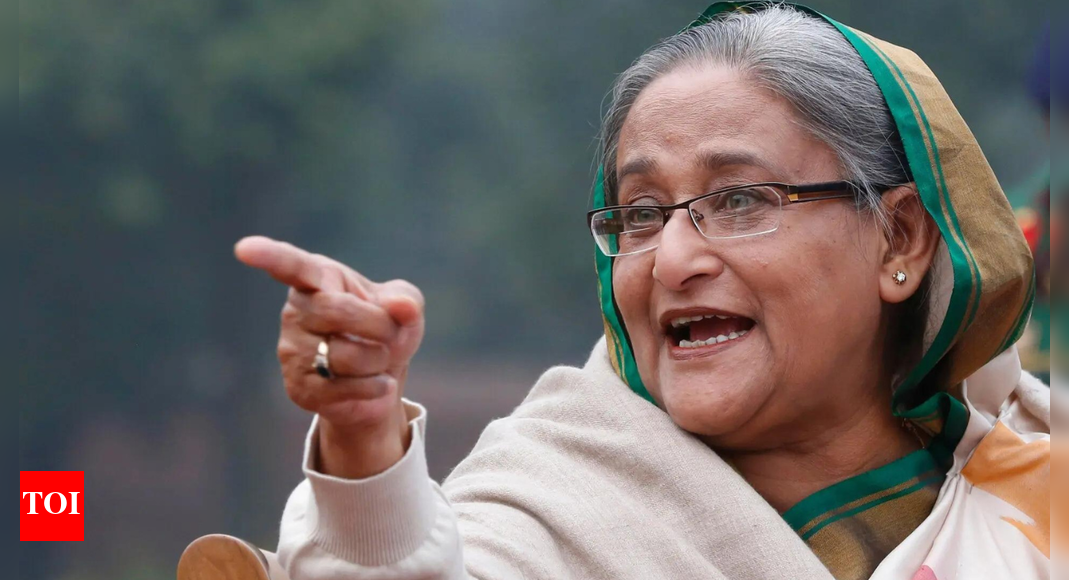
In a historic verdict, the International Crimes Tribunal (ICT) in Dhaka has convicted former Bangladesh Prime Minister Sheikh Hasina of crimes against humanity linked to a violent crackdown during student protests. The unrest, which culminated in the collapse of her Awami League government in August 2024, led to widespread violence and fatalities among protesters. Hasina has been sentenced to death, with prosecutors alleging she was the 'mastermind' behind these actions. The tribunal's findings highlight that the violence, which resulted in the deaths of six protesters in Chankharpul, was carried out under her direct command and oversight. In addition to Hasina, the former home minister Asaduzzaman Khan Kamal received a death sentence, while the former Inspector General of Police, Chowdhury Abdullah Al-Mamun, was sentenced to five years in prison.
The lengthy hearings revealed a tumultuous backdrop where protests surged against Hasina's administration, leading to allegations of gross human rights violations. Hasina's legal team argued that the cases against her are politically motivated, claiming that rival political factions are leveraging the judicial system to undermine the Awami League's reputation.
As Bangladesh remains on high alert following the verdict, security forces have implemented stringent measures to maintain order amid fears of further protests. Authorities have strictly warned against violent behavior, with the police commissioner issuing shoot-at-sight orders for serious offenses like arson and assaults. The tensions escalated just days before the tribunal's verdict, as demonstrators showed their support for Hasina while sporadic violence broke out in the capital.
Currently, Hasina is living in exile in India, having fled Bangladesh on the eve of her resignation. The new interim government under Muhammad Yunus has requested her extradition, but as yet, there has been no response from Indian authorities. The situation continues to evolve, with the ICT's decision serving as a pivotal moment in the political landscape of Bangladesh, raising questions about future governance and accountability in the region.