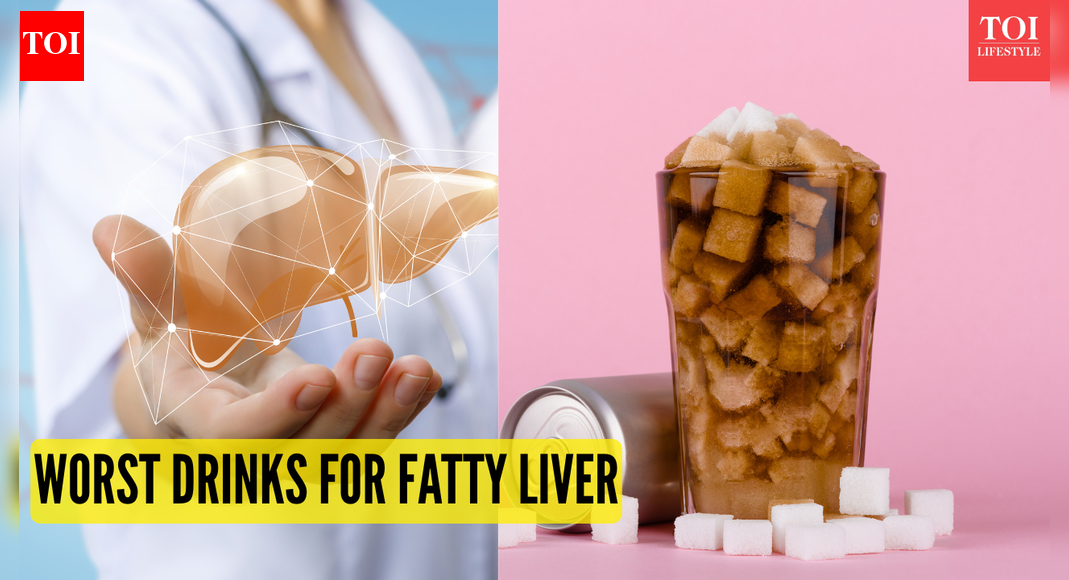
Fatty liver disease is increasingly recognized as a global health concern, driven largely by dietary habits and beverage choices. While food often garners attention, the types of drinks consumed play a significant role in affecting liver health. Certain beverages are particularly notorious for exacerbating fatty liver conditions by promoting fat accumulation, inflammation, and advancing towards more severe liver disorders. Understanding these harmful drinks is critical for anyone looking to improve liver health and maintain its functions. This essay outlines five of the most detrimental beverages for individuals dealing with fatty liver disease, highlighting their negative effects supported by research.
First on the list are sugary soft drinks. These beverages, high in fructose from high-fructose corn syrup, are metabolized swiftly by the liver. Studies show that regular consumption of sugary sodas is linked to increased liver fat and heightened inflammation, significantly elevating the risk of non-alcoholic fatty liver disease (NAFLD). The liver's metabolic pathways can become overwhelmed due to the rapid influx of sugars, ultimately leading to chronic liver damage.
Next, packaged fruit juices may appear healthy at first glance; however, they often contain substantial sugar without the beneficial fiber found in whole fruits. This lack of fiber contributes to rapid spikes in blood sugar and insulin levels. Research indicates that fruit juices encourage fat deposition in the liver, thus worsening NAFLD. Individuals who consume such juices are more likely to develop fatty liver disease as determined by the Fatty Liver Index (FLI).
Alcohol is widely recognized for its hepatotoxic effects, causing conditions ranging from fatty liver to cirrhosis and even liver cancer. Recent studies emphasize that even moderate alcohol consumption can interfere with crucial liver enzymes involved in fat metabolism. This disrupts normal liver functions, leading to protein accumulation, oxidative stress, and accelerated progression of both alcoholic and non-alcoholic fatty liver disease. Health experts recommend that those with fatty liver should completely avoid or significantly limit alcohol intake to avert irreversible liver complications.
Emerging as a new health concern, energy drinks combine high levels of sugar, caffeine, and various stimulants, creating metabolic stress on the liver. Recent clinical studies have shown that energy drink consumption is associated with increased liver enzymes, a common marker of liver damage, alongside fat buildup and inflammation that impairs liver function. Unlike sodas, energy drinks incite systemic metabolic stress that can be especially harmful to individuals at risk of fatty liver disease.
Lastly, sweetened iced teas, often marketed as refreshing, can contain sugar levels comparable to sodas. Most commercially available iced teas are loaded with added sugars, leading to insulin release and resultant fat storage in the liver. Frequent consumption of sweet iced teas has been associated with negative impacts similar to those of sugary soft drinks and fruit juices. The labeling of these products as 'natural' or 'healthy' can be misleading and poses a serious threat to liver health.
In conclusion, sugary beverages, ranging from fruit juices to iced teas and energy drinks, can significantly worsen fatty liver disease. Minimizing or avoiding these drinks can help reduce fat deposition in the liver, decrease inflammation, and slow the progression to more severe liver disorders. For better metabolic balance, it is advisable to opt for water, unsweetened teas, and plain coffee instead.