In a significant move towards enhancing economic ties, New Delhi and Washington are actively engaged in discussions surrounding a Bilateral Trade Agreement (BTA), aiming to boost bilateral trade from its current value of $191 billion to an ambitious $500 billion by 2030. Officials stated that the first phase of the agreement is expected to be finalized soon, with India awaiting a response from the US. Notably, there appears to be no immediate need for additional negotiations.
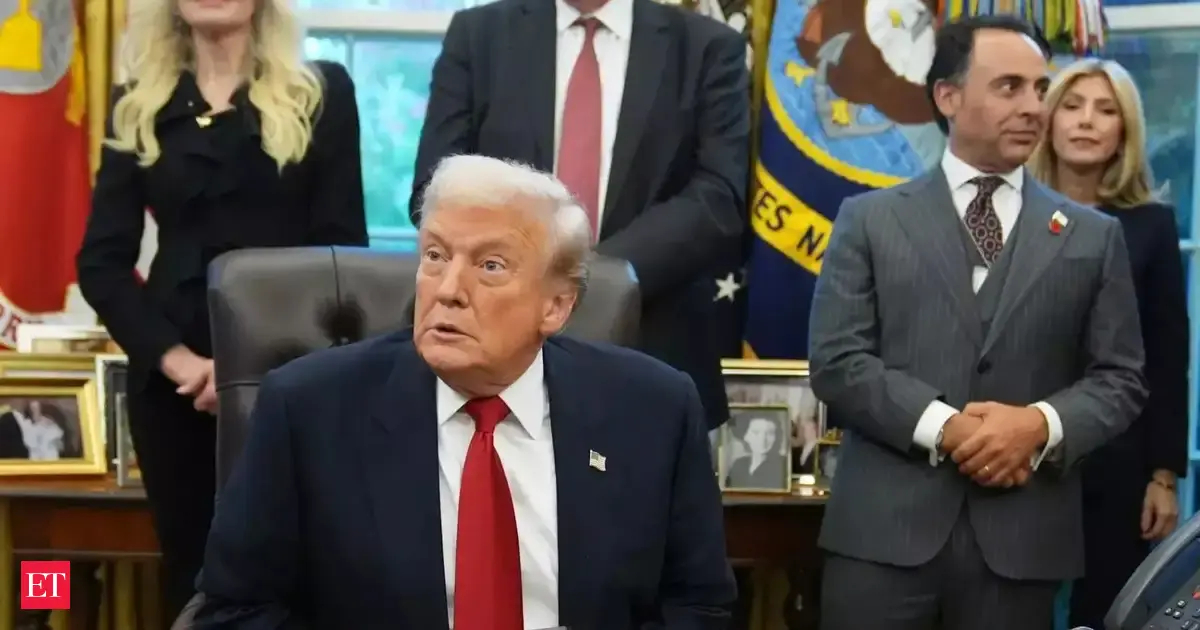
Recent statements from US President Donald Trump indicated a willingness to lower the high tariffs imposed on Indian goods, a change some see as crucial to improving bilateral relations that have faced challenges in recent months. Trump attributed the elevated tariffs largely to India's oil trade with Russia and emphasized his administration's focus on striking a fair deal with New Delhi. He mentioned, “We’re gonna be bringing tariffs down...at some point, we’ll bring them down,” although he did not specify an exact timeline. This pledge follows the introduction of penal tariffs that previously reached 25%.
Financial analysts believe that India’s exports have displayed resilience amid trade uncertainties and they predict that the secondary tariffs may be revoked by year’s end, aiding the bilateral trade dynamics. Barclays reported that India's effective tariff rates stand significantly higher than peers among emerging markets, placing it in a precarious position. However, steady export growth, particularly in exempt sectors such as telecom and pharmaceuticals, has provided some buffer against this tariff impact.
Commerce Minister Piyush Goyal has reiterated India’s intent to protect domestic interests during negotiations. Goyal mentioned that the timeline for finalizing the trade deal remains flexible, aiming for fairness and equity while not compromising the rights of farmers, dairy producers, and workers.
The discussions on the trade agreement follow President Trump's recent appointment of Sergio Gor as the new US Ambassador to India, whose role is expected to facilitate closer partnerships. Trump emphasized the importance of India's growing economy and its strategic significance for the US in the Indo-Pacific region. Following his swearing-in, Gor expressed his commitment to bolstering the US-India relationship, which he considers pivotal.
As negotiations progress, both countries seem committed to enhancing collaboration that fosters mutual economic growth while addressing existing issues in a constructive manner.